Historical Florence Bus Tour: Medici to Modern Era
Discover Florence's layers of history. From Roman walls to 1966 floods, see how the city evolved from the top deck.
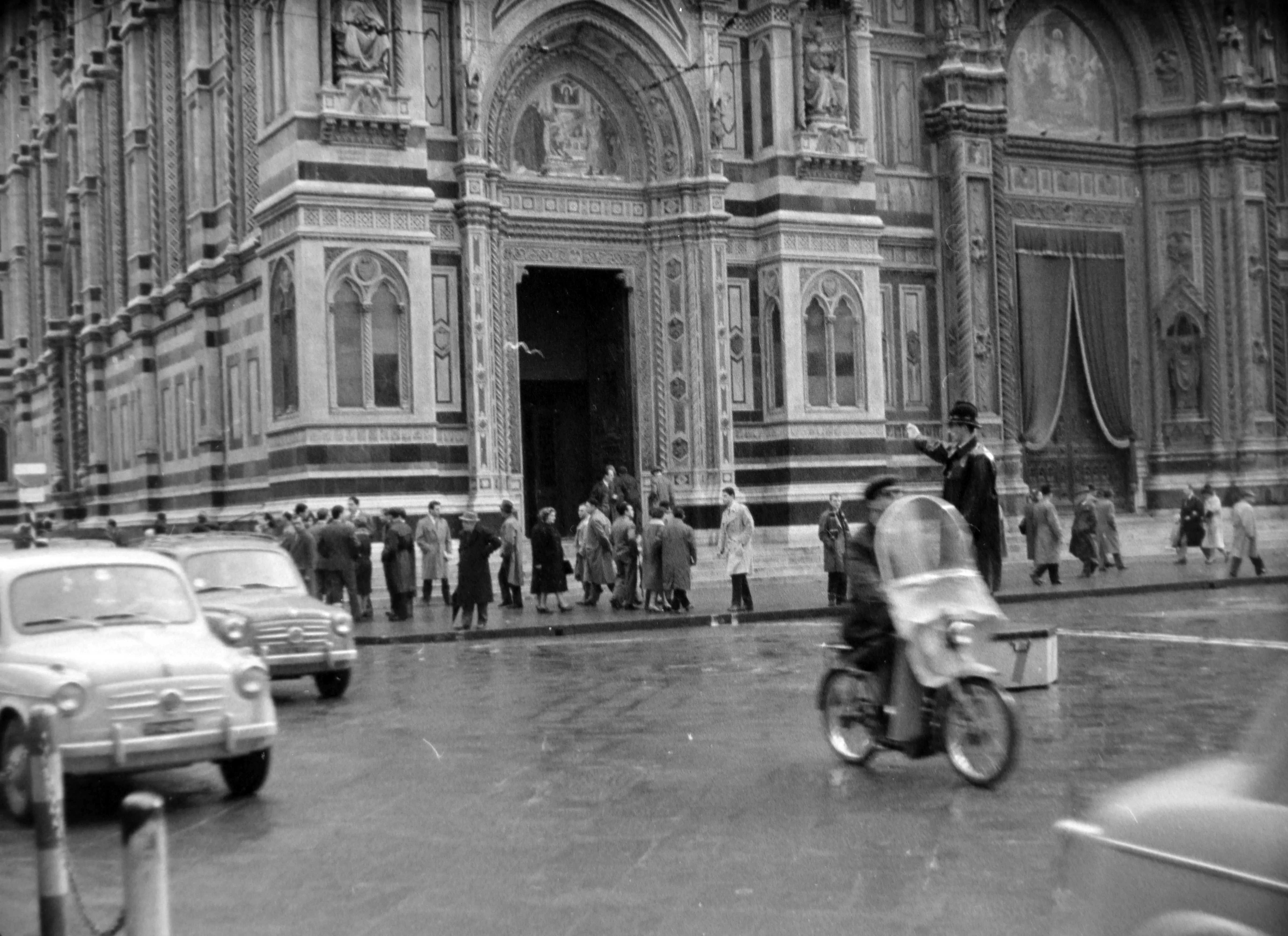
Florence isn't just a pretty face; it’s a survivor. As you ride the Line A loop, you are tracing the path of ancient walls, dynastic power, and modern scars.
The Walls of Florence (The Viali)
As the bus drives along the wide, multi-lane boulevards (called Viali), you are actually following the ghost of the medieval defensive walls.
- 1865-1871: When Florence was briefly the capital of Italy, the architect Giuseppe Poggi tore down the walls to modernize the city, inspired by Paris.
- What Remains: Look for the giant stone towers like Porta Romana and Porta San Frediano. These "Gates" were left standing as monuments in the middle of traffic circles.
The Bridges and WWII
As you cross the Arno, look at the bridges.
- The Tragedy: In 1944, retreating Nazi forces blew up all of Florence's bridges to slow the Allies—except one.
- The Survivor: The Ponte Vecchio was saved (allegedly by a direct order from Hitler or field commanders who appreciated its art).
- The Reconstruction: The other bridges, like Ponte Santa Trinita, were painstakingly rebuilt "where they were, as they were," even dredging the river for original stones.
The 1966 Flood
Keep an eye on the walls of buildings near the Santa Croce (Stop 13) area. You might see small marble plaques high up (sometimes 2-3 meters above the street!) with a horizontal line and a date: 4 Novembre 1966.
- This marks the water level of the devastating Arno flood.
- It destroyed millions of books and artworks. The "Mud Angels" (volunteers from around the world) came to save them.
The Synagogue and the Moorish Style
Near Piazzale Donatello, you’ll see the Great Synagogue of Florence with its massive green copper dome. Built in the 1880s after the Jewish emancipation, its Moorish style makes it stand out distinctly against the Renaissance skyline, symbolizing a new era of religious freedom.
The Medici Corridor
The bus route near the river parallels the Vasari Corridor, the secret elevated passageway built for the Medici Grand Dukes. It allowed them to travel from their home (Pitti Palace) to their office (Uffizi) without dirtying their feet or mixing with potential assassins in the street.
Về tác giả

Historian
Chúng tôi là những người ngưỡng mộ Florence cuồng nhiệt, tận tâm giúp bạn nhìn xa hơn những con đường chính đông đúc. Hướng dẫn của chúng tôi giúp bạn sử dụng xe buýt để mở khóa vẻ đẹp toàn cảnh của những ngọn đồi xung quanh mà nhiều du khách đi bộ bỏ lỡ.
Tags
Comments (0)
Loading comments...